







Women's health
Menopause
How does the menopause affect bowels?
The onset of menopause can bring about a number of physical and hormonal changes that can affect a woman’s bowel habits. During menopause, oestrogen levels decline, and this reduction in oestrogen can cause changes in the digestive tract. Some of the ways in which the menopause can affect the bowels include:
Constipation: A reduction in oestrogen levels can slow down the muscles in the gut, leading to constipation. A decrease in physical activity and an increase in stress levels, which are common during menopause, can also contribute towards constipation.
Irritable bowel syndrome (IBS) Menopause is a risk factor for developing IBS, a condition characterised by constipation and /or diarrhoea, abdominal pain and bloating.
Faecal incontinence: Menopause can weaken the pelvic floor muscles, which can lead to faecal incontinence (the accidental leakage of stool).
Rectocele
A rectocele is when the internal wall between the rectum (back passage) and the vagina becomes weaker, causing the rectum to bulge into the vagina and creating a pocket. This can happen for several reasons, such as childbirth, long-term straining when opening your bowels, or changes that come with aging such as menopause. A rectocele can make it more difficult to fully empty your bowels and leave you feeling like you have not finished opening your bowels.
Symptoms
- These may occur either in the vagina or the rectum.
- Vaginal bulging
- Sensation of a lump in the vagina
- Pain during intercourse
- Feeling of something hanging out of the vagina
Symptoms in rectum:
- Constipation
- Frequent urge to go to the toilet
Learn more

Treatments
The process of managing faecal incontinence or constipation is called “bowel management”.

Personal stories
Read personal stories from children, parents, and families sharing their experiences of managing bowel care as part of everyday family life.
Our products
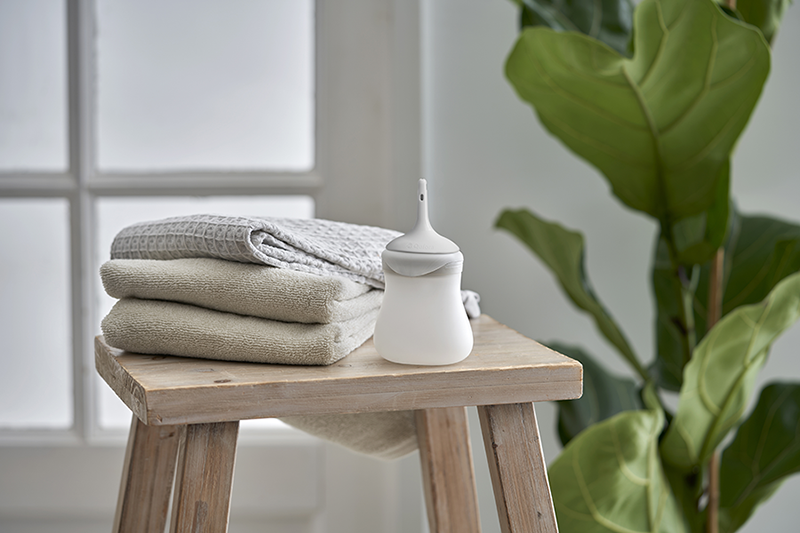
Find the products designed to fit seamlessly into real life and can help restore a sense of control and self-confidence.