








What is bowel irrigation?
Bowel irrigation – sometimes called transanal irrigation (TAI) or rectal irrigation (RI) has been practiced for many hundreds of years. It is increasingly more widely used as a bowel management solution.
The bowel is part of the digestive system (gastrointestinal tract or short GI) and is designed to help the body absorb nutrients and fluids from the foods we eat and drink.
Food is moved through the various sections of the digestive tract through wave-like muscle contractions called peristalsis. It usually takes between 24 and 72 hours for food to move through the digestive system. This is referred to as “transit time”.
The sphincter muscles in the anal canal (anal sphincter) ensure continence
There are two important muscles:
- The internal anal sphincter works involuntarily
- The external anal sphincter works voluntarily and can be contracted further by squeezing
- Other muscles are also important for continence: for example, the muscles of the pelvic floor, which can be suppressed at will too.
The bowel function is based on a complex interplay of muscular and neural structures. Disorders in one of these components can cause bowel dysfunction and defecation disorders.
What is bowel irrigation for bowel management?
Bowel irrigation involves instilling a small amount of warm tap water into the rectum through the anus and then allowing the water to be expelled, effectively emptying the rectum and the colon. Stool and water pass into the toilet in the same way as a normal bowel movement.
See how bowel irrigation for bowel management works
Watch the video to learn about how the bowel irrigation procedure works
Relieving chronic constipation and faecal incontinence
Use of bowel irrigation has shown that regular bowel irrigation can be an effective solution to prevent faecal incontinence and to prevent constipation. It can also reduce the amount of time spent on bowel management, leading to an improved quality of life, dignity and self-esteem. As a result, bowel irrigation is an effective treatment for those who have difficulty with regular bowel movements and can help to improve overall bowel health and function.
The bowel irrigation procedure should be performed regularly (usually daily or every other day) to achieve full bowel continence, preventing faecal incontinence, and to prevent constipation. Bowel irrigation provides a reliable bowel management option, it is easy, quick, effective, and hygienic to use, allowing you to live life to the full and not worry about your bowels.
The difference between conservative bowel management and bowel irrigation for bowel management
Bowel irrigation goes beyond conservative methods and can reach further into the bowel by introducing warm tap water into the rectum, effectively emptying the colon.
When using conservative methods of bowel management such as manual evacuation of the bowel, only the distal part (the end part) of the bowel is generally emptied, as shown in Diagram A.
When using bowel irrigation for bowel management, the bowel has been shown to empty to the splenic flexure (the sharp bend between the ascending colon and the transverse colon), as shown in Diagram B.
Therefore, using warm water bowel irrigation for bowel management can successfully empty your bowel so that a further irrigation does not have to take place for another 24-48 hours.
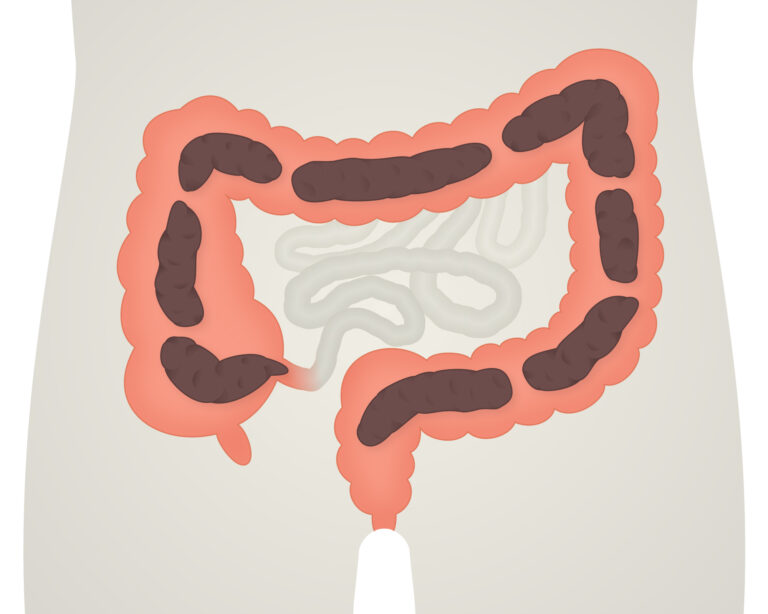
The bowel before starting bowel irrigation
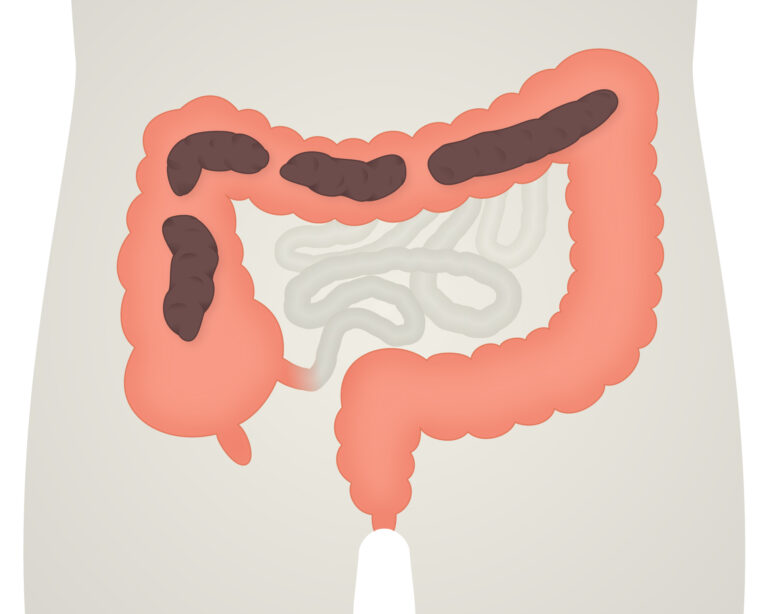
The bowel after starting bowel irrigation
Learn more

How can bowel irrigation help?
Bowel irrigation is reported to be beneficial in managing functional and neurogenic bowel disorders.

Bowel care products
We believe everyone deserves the right to bowel irrigation solutions that fit seamlessly into their lives.

Bowel Buddies
Bowel Buddies is a game designed to help when your child starts with bowel irrigation