







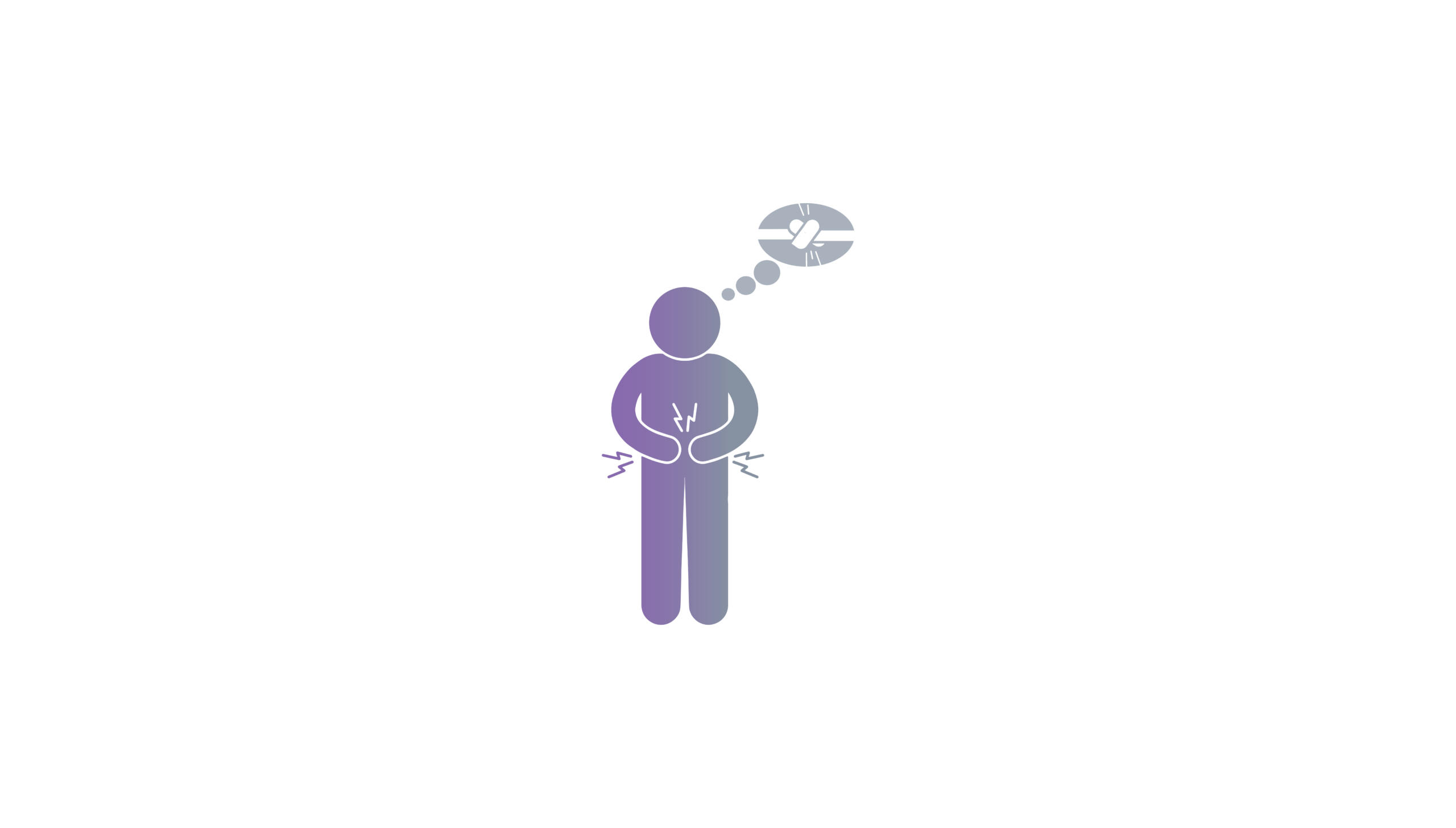
Chronic constipation
Chronic constipation may include infrequent bowel movements, straining, difficulty passing hard stool or a sensation of incomplete evacuation. It may also cause bleeding, haemorrhoids, or pain.
People may experience several of these symptoms, while others may have only one.
What are the causes of constipation?
Constipation can have many causes. It may result from changes in diet or inactivity, and it may also be related to pregnancy or occur during periods of travel when routines change.
A healthy diet and regular physical activity can help support normal bowel function. Adequate fluid and fibre intake can also play a role in maintaining regular bowel movements.
It is important to remember that everyone’s body is different, and what is considered “normal” can vary between people. Paying attention to the body’s signals and working with a doctor or healthcare professional can help support healthy digestive function.
When constipation becomes chronic
Constipation often lasts for a short period of time, but for some people it becomes an ongoing chronic condition.
Chronic constipation is likely if:
- A bowel movement occurs less than 3 times a week
- Stool is often difficult to push out
- Stool is often dry, hard, or lumpy (Type 1-2 on the Bristol Stool Scale)
- Bowel movements feel incomplete
People with chronic constipation may also have trouble emptying their bowels, especially when stool is harder and more difficult to pass.
Symptoms may include:
- Hard stool
- Bloating
- Abdominal discomfort or pain
Common symptoms and consequences of chronic constipation
Chronic constipation may be a problem when bowel movements occur fewer than 3 times a week, when pushing or straining is often required, or when stool feels dry, hard, or lumpy. There may be a sensation of incomplete emptying.
For some people, chronic constipation can seriously impair quality of life, particularly when symptoms cause pain or disrupt daily routines.
Bowel disorders are very common, yet many people do not seek help because they may feel unsure where to go or may be embarrassed to talk about their symptoms.
Slow transit constipation
Slow transit constipation is a type of chronic constipation in which movement of stool through the colon is reduced. This leads to less frequent bowel movements and symptoms such as straining and hard stools.
Symptoms can include:
- Passing fewer than 3 stools a week
- Having lumpy or hard stools
- Straining to have bowel movements
- Feeling as though there is a blockage in the rectum
- Feeling unable to completely empty the rectum
- Needing help to empty the rectum, such as pressing on the abdomen or using a finger to remove stool
Getting support
People experiencing symptoms of bowel disorders such as chronic constipation are not alone. If you are living with chronic constipation, a doctor or other healthcare professional can diagnose the cause of your symptoms and discuss treatment options.
Learn more

Clinical information
Access evidence-based information on bowel health, bowel irrigation, and related conditions to support informed clinical assessment and management.

Patient stories
Explore patient case studies that provide insight into real-world bowel management, treatment pathways, and patient experiences from a clinical perspective.

Our products
Find the products designed to fit seamlessly into real life and can help restore a sense of control and self-confidence.